
Unwanted phone calls, including robocalls and scams, are a prevalent issue in Gallup, New Mexico. Residents can combat this by recognizing call patterns, differentiating legitimate businesses from fraudsters, and using tools like blocking apps and the National Do Not Call Registry. Key steps include reporting persistent calls to local authorities and educating the community. Local resources, national registries, and legal aid groups collaborate to protect residents from intrusive telemarketing and scams, ensuring a safer communication environment.
In today’s digital age, unwanted calls can be a persistent and nuisance-filled issue for residents of Gallup, New Mexico. With the rise of automated phone systems and fraudulent schemes, effectively blocking these calls has become an essential skill to protect personal time and privacy. This article provides comprehensive guidance on navigating this modern challenge, focusing on practical strategies to safeguard against relentless unwanted calls. We’ll explore various methods, from leveraging technology to understanding legal protections, ensuring Gallup residents can reclaim their peace of mind without resorting to do not call law firms.
Understanding Unwanted Calls in Gallup

In Gallup, like many places across New Mexico, unwanted calls have become a prevalent issue for residents. These calls, often from telemarketers or illegal scammers, can be relentless and disruptive. Understanding this problem is the first step towards an effective solution. According to recent data from the Federal Trade Commission (FTC), thousands of complaints regarding unwanted phone calls are reported annually in New Mexico, highlighting the widespread nature of this challenge.
These unwanted calls exploit the ease of automated dialing systems, allowing them to target large numbers of people simultaneously. They often take various forms: robocalls, live operators, or even voicemails with suspicious messages. In Gallup, residents face unique challenges due to the city’s high population turnover and its position as a major tourist destination. This dynamic makes blocking these calls particularly tricky, as new numbers emerge daily.
However, knowledge is power when it comes to combating this issue. Recognizing common patterns and tactics used by these callers can empower individuals to take proactive measures. For instance, being vigilant about unknown numbers and knowing how to identify legitimate businesses from fraudulent ones are crucial steps. By understanding the characteristics of unwanted calls, Gallup residents can better protect themselves and contribute to a safer, less disruptive communication environment.
Legal Rights: Do Not Call Law Firms in New Mexico

In Gallup, New Mexico, as in many parts of the country, unwanted phone calls from telemarketers and collection agencies can be a significant nuisance. However, residents have legal rights to protect themselves from these intrusive calls, specifically when it comes to Do Not Call law firms in New Mexico. Understanding these rights is essential for any resident seeking to reclaim control over their communication channels.
New Mexico has adopted the federal Do Not Call Registry regulations, which offer substantial protections. By registering their phone number with the National Do Not Call Registry, residents can significantly reduce unwanted calls from telemarketers and collection agencies. Importantly, this law does not extend to all types of calls, such as those from family, friends, or healthcare providers. The focus is on commercial telemarketing calls, which are regulated under the Telephone Consumer Protection Act (TCPA).
Do Not Call law firms in New Mexico operate within strict legal boundaries. These firms must respect consumer choices and adhere to the National Do Not Call Registry. If a resident has registered their number and still receives calls from such firms, they have the right to file a complaint with the Federal Trade Commission (FTC) or the New Mexico Public Regulation Commission (PRC). The FTC and PRC take these complaints seriously, and violators can face substantial fines. For instance, in 2021, a major telemarketing company was fined $50 million for repeatedly ignoring Do Not Call requests from consumers across the country, including New Mexico.
To protect oneself effectively, Gallup residents should regularly review their call logs for suspicious activity and consider using additional tools like call-blocking apps or services. Education is also key; staying informed about one’s rights and the legal protections in place can empower individuals to take proactive measures against unwanted calls. By exercising these rights, residents can enjoy a more peaceful and less disruptive daily communication experience.
Effective Blocking Techniques for Your Phone
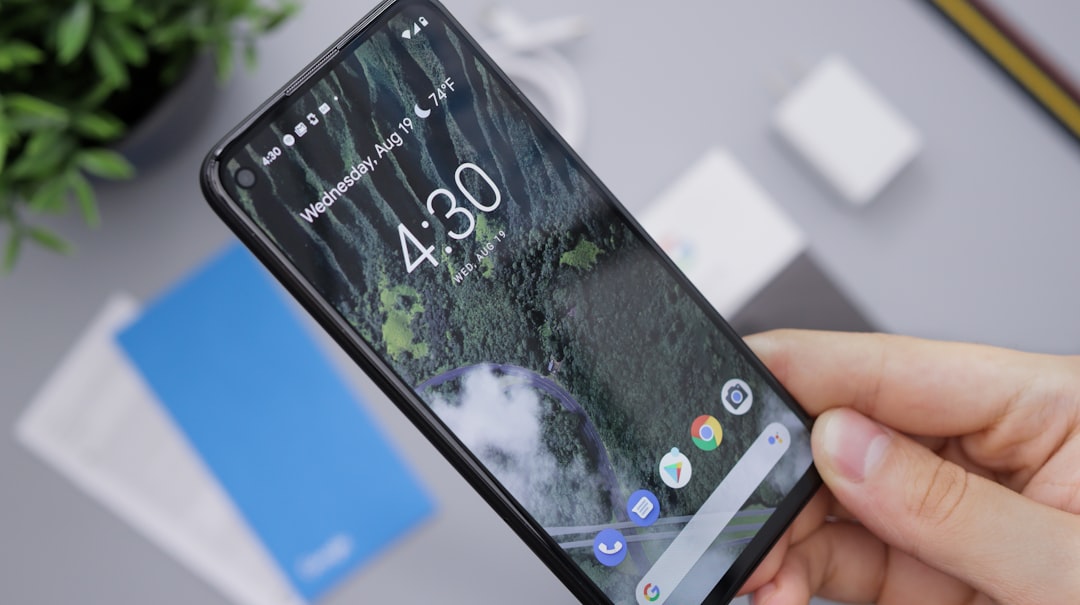
In Gallup, as in many areas across the country, unwanted calls from telemarketers and robocallers can be a persistent nuisance. Fortunately, there are robust techniques available to effectively block these calls and reclaim your phone’s peace of mind. Understanding how to employ these strategies is key to ensuring that your personal time remains unencumbered by unsolicited outreach.
One of the most effective ways to stop unwanted calls is through specialized blocking apps and services. These tools utilize advanced algorithms to identify and filter out known telemarketing numbers, including those from law firms in New Mexico, where such calls are often originated. Apps like CallHut or NoCallList offer robust blocking capabilities, allowing users to customize their settings for various types of unwanted callers. By integrating these apps into your smartphone, you can enjoy a significant reduction in nuisance calls within days.
For a more comprehensive solution, consider implementing multiple blocking techniques. In addition to app-based filtering, utilize the built-in call blocking features on your phone or register with national “do not call” registries. The Federal Trade Commission (FTC) operates a nationwide do-not-call list that, when properly registered, can significantly curb telemarketing calls. It’s important to remember that while these measures reduce the volume of unwanted calls, they may not eliminate them entirely; however, combining these strategies ensures a higher level of protection and peace of mind.
Reporting Unwanted Calls to Authorities

In Gallup, as in many places across New Mexico, unwanted calls, particularly from telemarketers or fraudulent entities, can be a persistent nuisance. Effectively blocking these calls requires a multi-pronged approach that includes not only utilizing technological tools but also reporting them to the appropriate authorities. Do not call law firms in New Mexico needlessly; instead, focus on empowering yourself and your community with knowledge and resources.
The first step is to register for the National Do Not Call Registry. This federal list restricts telemarketers from calling landlines or mobile numbers of registered individuals. While this can significantly reduce unwanted calls, it’s not foolproof. Many legitimate organizations are exempt from these regulations. Therefore, if you’re still receiving persistent or harassing calls, it becomes crucial to escalate the issue.
Reporting unwanted calls to local law enforcement or regulatory bodies is a powerful tool. In New Mexico, the Attorney General’s Office has a Consumer Protection Division that investigates complaints related to telemarketing fraud and abusive practices. Provide detailed information about the caller, including the frequency of calls, any threats or deceptive tactics used, and recordings or notes of the conversations if available. This data aids authorities in building cases against offenders.
Community education is equally vital. Sharing strategies on blocking numbers, identifying spam calls, and reporting them effectively can create a collective defense against unwanted callers. Local community centers or consumer advocacy groups often host workshops on digital safety and privacy, where residents can learn practical steps to secure their communication channels. By combining individual actions with collective efforts, Gallup residents can create a more robust defense against intrusive calls, ensuring peace of mind in today’s digital landscape.
Additional Resources and Community Support

In Gallup, New Mexico, like many other areas, unwanted call volumes can be substantial, leading to frustration among residents. Beyond employing technological solutions, there exists a robust network of community resources and support systems designed to combat this issue effectively. One key strategy is to leverage local and national do-not-call registries. For instance, the Federal Trade Commission’s (FTC) do-not-call registry has recorded millions of consumer registrations nationwide, including in New Mexico. By registering with these registries, residents can prevent calls from telemarketers and other unwanted sources.
Community organizations play a vital role as well. Local chapters of consumer protection agencies offer guidance on how to block unwanted calls, often providing tailored advice for regional challenges. Moreover, community forums and social media groups serve as platforms for sharing effective blocking techniques and reporting scams. In Gallup, such initiatives have fostered a collaborative environment where residents support one another in combating relentless call campaigns, including those from law firms attempting to exploit the Do Not Call laws.
For those dealing with persistent or aggressive calls, seeking legal advice can be crucial. Local bar associations and legal aid organizations offer resources that help citizens understand their rights under the Telemarketing and Consumer Fraud Prevention Act (TCFA). While “Do Not Call Law Firms” may naturally emerge as a concern in New Mexico, it’s important to note that legitimate legal actions should be taken only after exhausted attempts at blocking and reporting unwanted calls. Collaboration between residents, community groups, and legal experts ensures a comprehensive approach, empowering Gallup citizens to reclaim their privacy from intrusive call campaigns.